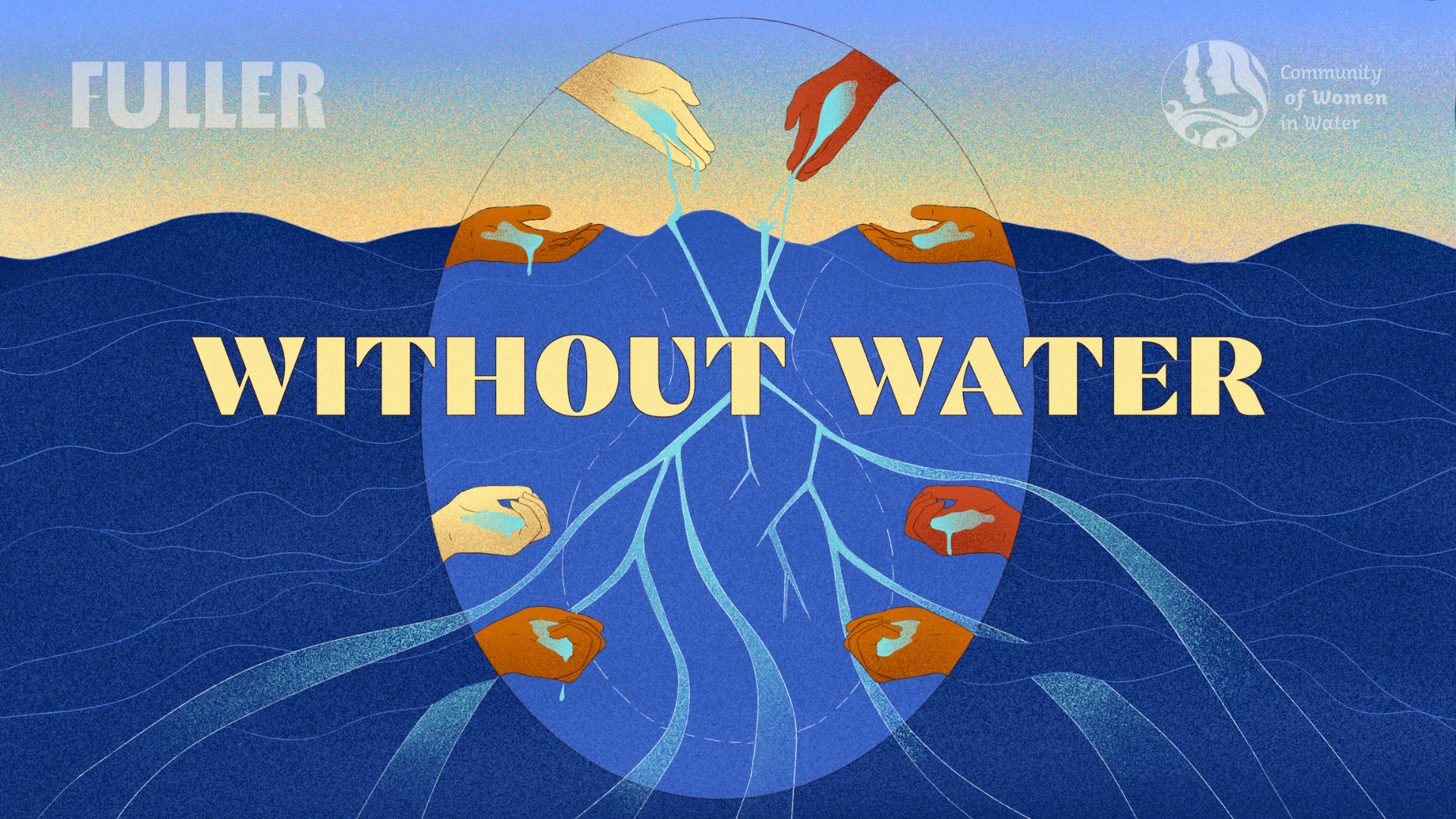
Edition newsletter: Are we running out of water?
Yes, but these women are fighting for it

For our Without Water edition and campaign launch, we’re celebrating 17 leading women water defenders across the world
Letter from the editor

Welcome to the Without Water edition. For me, the issue of water scarcity is personal. I grew up in Atlanta, Georgia, where drought, hurricanes, floods, and tornadoes were treated as foregone conclusions, mostly out of our collective hands. In reality, these disasters were not inevitable, but shaped by the ways we managed our climate, land and water.
We are in the era of global water bankruptcy. There isn’t enough water for the world to survive at our current pace of use. To survive as a species, we have to find or create new sources. The situation is so bad that we had to invent a new term – water bankruptcy – because “crisis” wasn’t strong enough.
As I write this from the sidelines of the UN General Assembly, a representative from the United Arab Emirates is promising that the UN Water conference in Abu Dhabi in December will go on despite the US-Iran war – bringing together “the most important people” to discuss water issues across the world.
But does that include women? They currently make up less than one in three voices in water governance. Although all of us will be affected, we are not all impacted equally. More than 1 in 4 women and girls (roughly 1.1 billion) lacked access to clean water in 2024.
That’s why, along with our Without Water edition, we’re launching our first editorial campaign: Where women lead, water flows – in partnership with Community of Women in Water and editorial partners including Al Jazeera, Onewater, and Water Journalists Africa.
And we’ve got 17 brilliant women leading that charge in their communities: our 2026 Fuller Water Defenders, such as Nemonte Nenquimo, who successfully campaigned to protect Indigenous territory from oil extraction. And Mari Copeny, “Little Miss Flint”, who spent her childhood raising awareness about the Flint water crisis.
This work was spearheaded by our editor-in-chief, Eliza Anyangwe, and developed by our small and dedicated team here at Fuller. We understand that representation is only the start: the people most affected by water scarcity must have power in shaping solutions.
As we head toward the UN Water Conference, we'll celebrate our defenders, ask policymakers why women aren’t at the tables where the next decade of water policy gets written, and seek out the creative solutions that should allow everyone on earth to survive this new era.
Would you like to get involved with our “Where women lead, water flows” campaign? Or do you have your own experience of water scarcity that you’d like to share? Email me at ehensley@fullerproject.org
This edition saw our reporters researching in over 15 countries to find the 17 women defending water access in their communities. Fuller is free to read because readers fund it directly. If you're in a position to, tip $5 today.
Meet the water defenders
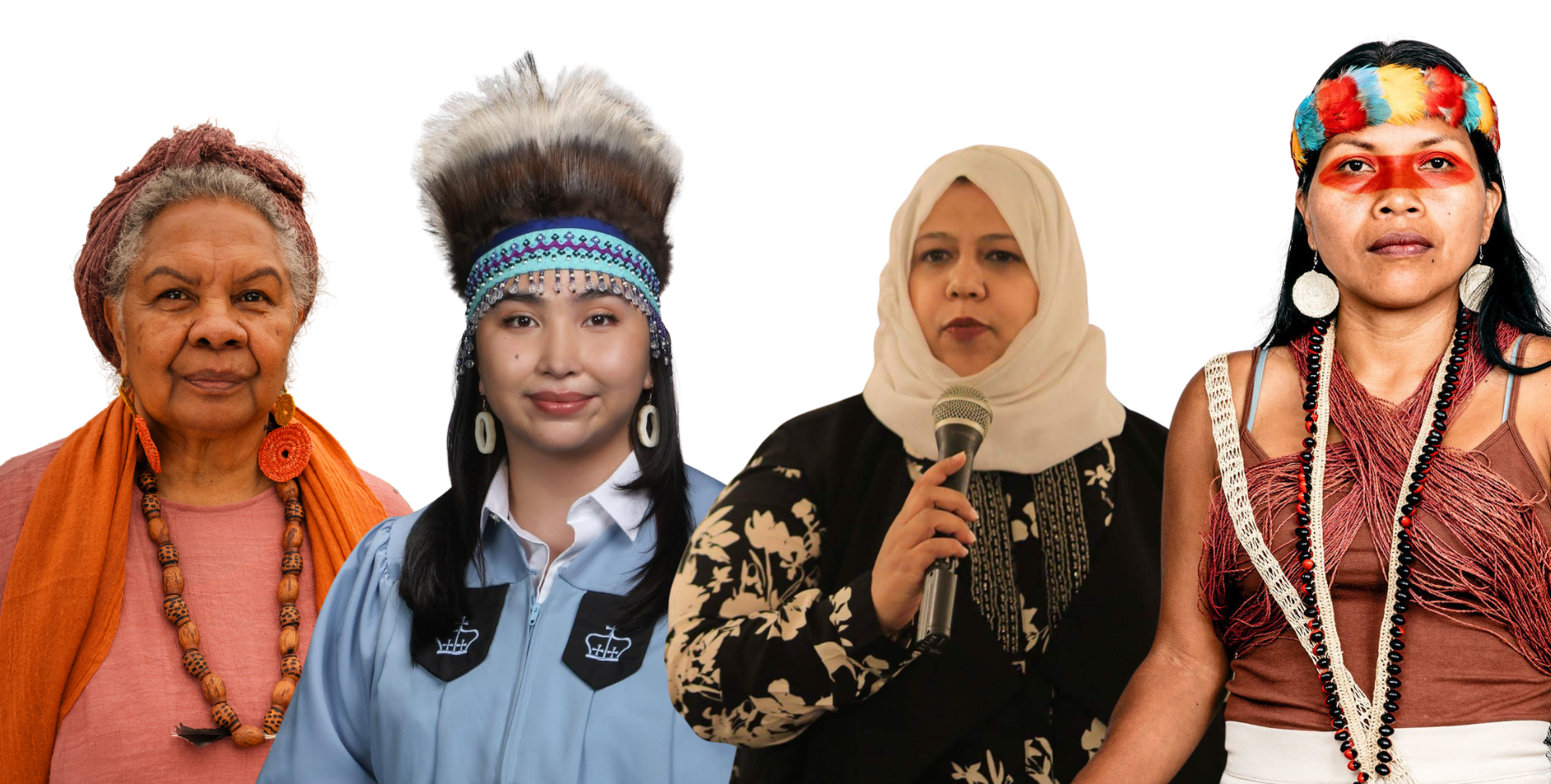
To spotlight the crucial role women play in protecting our water and rivers, we are showcasing the advocacy, legal battles and resistance movements of 17 leading women water defenders across the world.
Our defenders include Indigenous leader Nemonte Nenquimo in Ecuador, who is protecting the Amazon rainforest from oil drilling; Monaeka Flores in Guam, who has taken the fight to protect the island’s beaches from toxic waste to the US Supreme Court; scientist Eucharia Oluchi Nwaichi, who is using nature-based solutions to clean up Nigeria’s oil-polluted Niger Delta; and water mediators like Muna Luqman, who helps conflict-hit communities negotiate access to water in Yemen.
Why water is a women’s problem
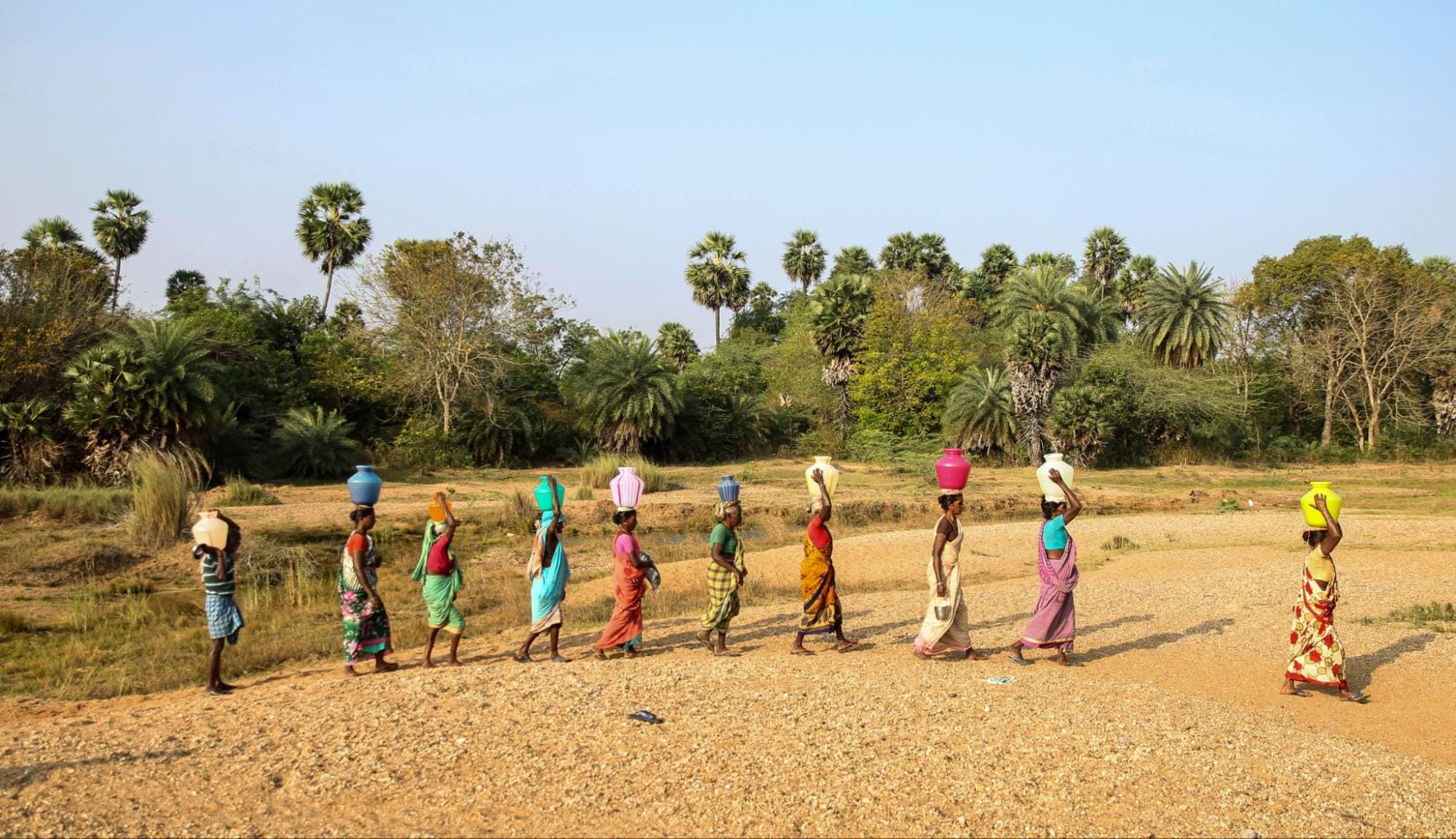
Water scarcity is a worldwide problem, but not one that affects everyone equally. In this explainer, we answer your burning questions about water scarcity, break down why it is a gender issue – and explain why, if you care about the lives of women and girls, you must care about water.
In pictures: Girls giving up their education for water
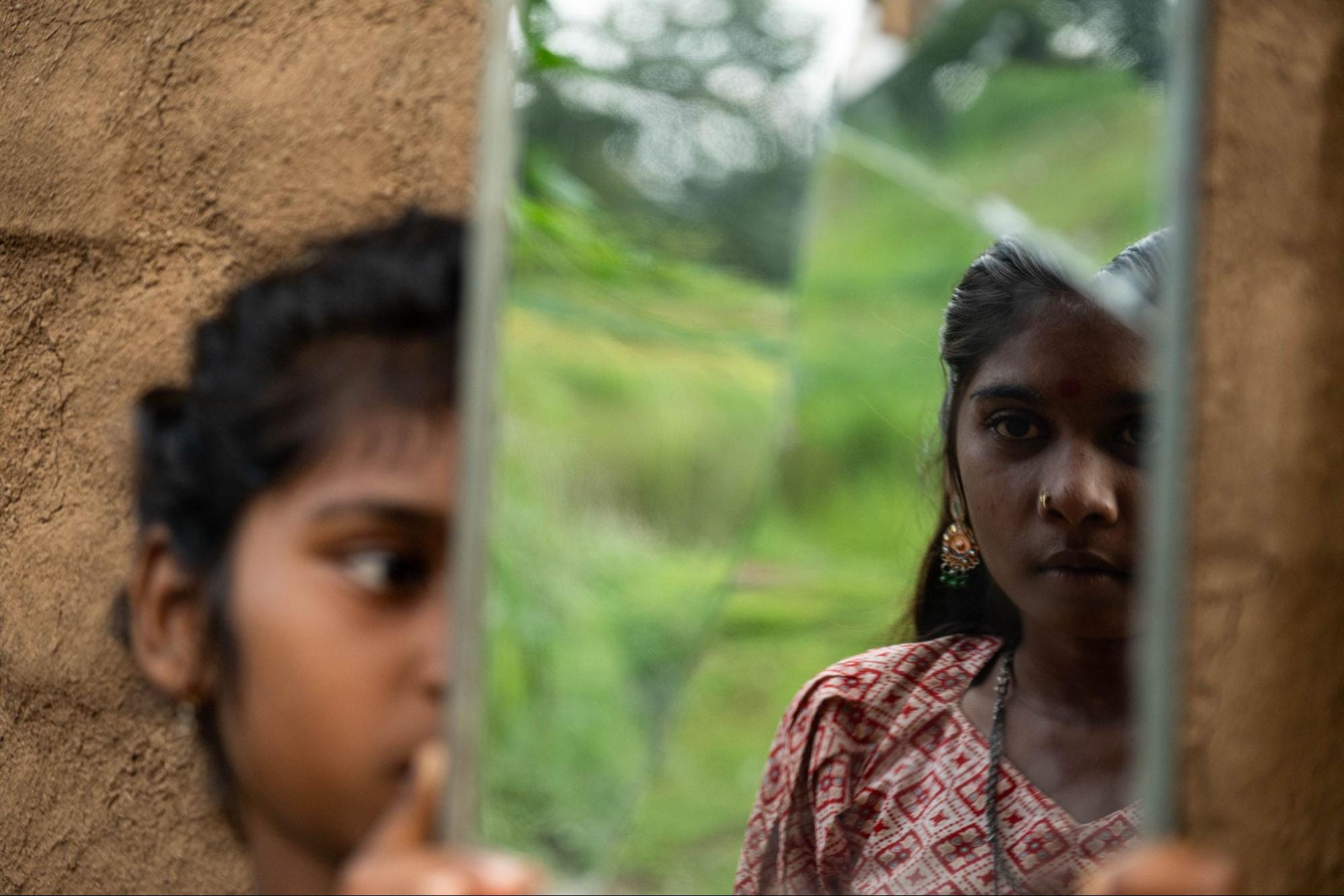
“I wanted to become a doctor, but I had to stop going to school,” 14-year-old Sangita Santosh (pictured above) told the photographer Shefali Rafiq last year, while she was fetching water from a spring in Khaparmal village in western India.
Rafiq’s sensitive and affecting photo series, “I kept my books: How a deepening water crisis is pushing India's girls out of school”, follows Santosh and a collection of other girls with big dreams and old school textbooks, who are pulled away from their studies to fetch water. In 2025, it won the Global Youth Award in Onewater's Walk Of Water photostory contest.
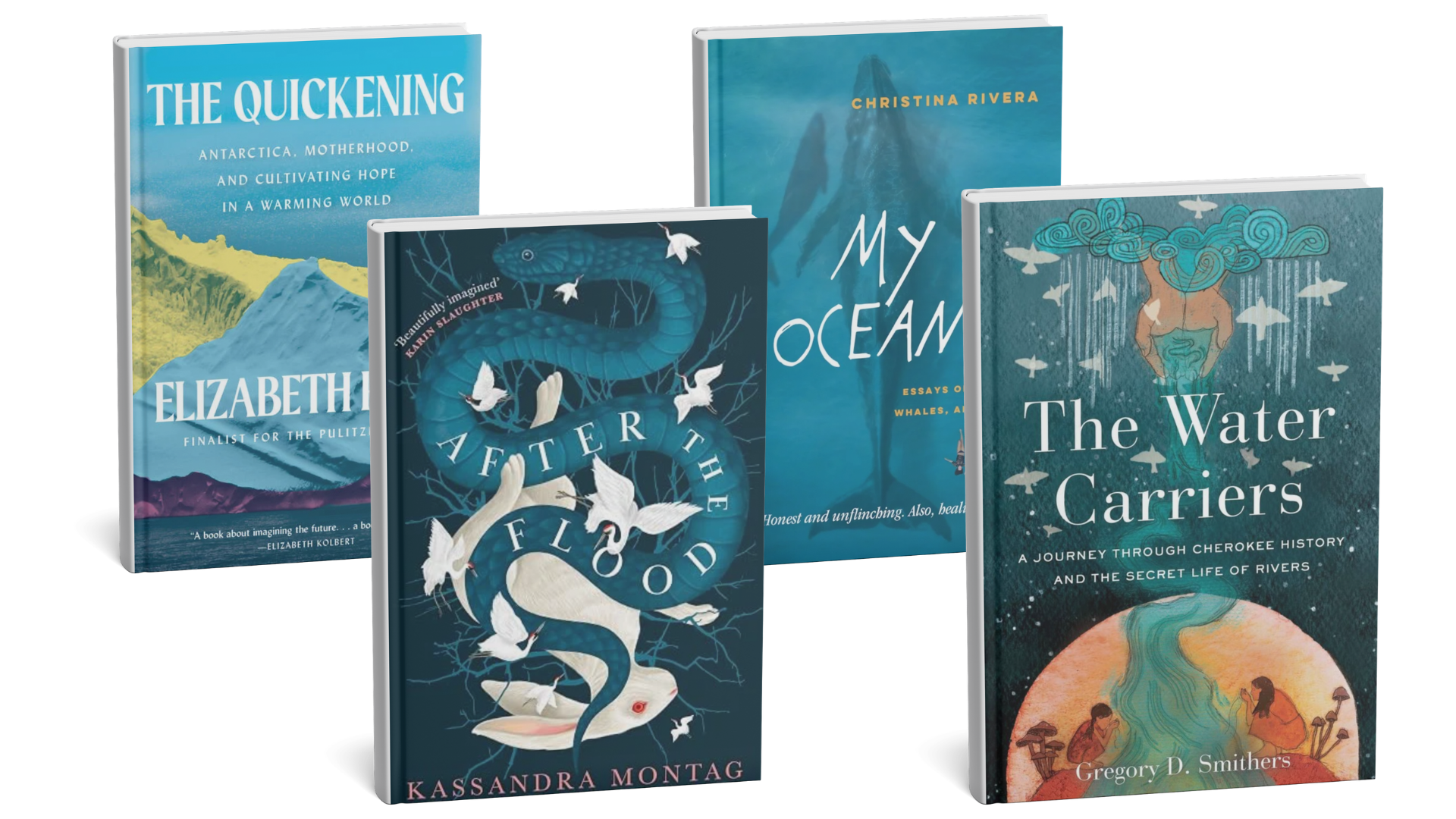
To mark the launch of our Without Water edition, we’re giving away bundles of four crucial books that will help you understand water scarcity and the crucial role women are playing in protecting, conserving and fighting for this vital resource.
Two winners will win a copy of The Water Carriers by Gregory D. Smithers, My Oceans: Essays of Water, Whales, and Women by Christina Rivera, The Quickening by Elizabeth Rush and After the Flood by Kassandra Montag.
To enter the giveaway draw, follow us on Instagram and comment “WATER” on this post!

Kilometres travelled: ~10,000 km
Countries covered: 15+, including Yemen, Kenya, Pakistan, India, Nigeria, Brazil, Canada and the UK
Cold emails sent: ~40
Hours of recordings: 25
Number of interviews: Countless
Words written: 6352
This newsletter was produced by Charlie Brinkhurst-Cuff, Erica Hensley, Anastasia Moloney, Imriel Morgan and Mansi Dua. Editorial and campaign development by Eliza Anyangwe. Editorial support by Liz Ford. Lead illustration by Sandy Christ.